This assignment involves first, developing a clothing range for winters and second, how in actual terms any collection is being developed and goes through fashion retail and business path cycle.
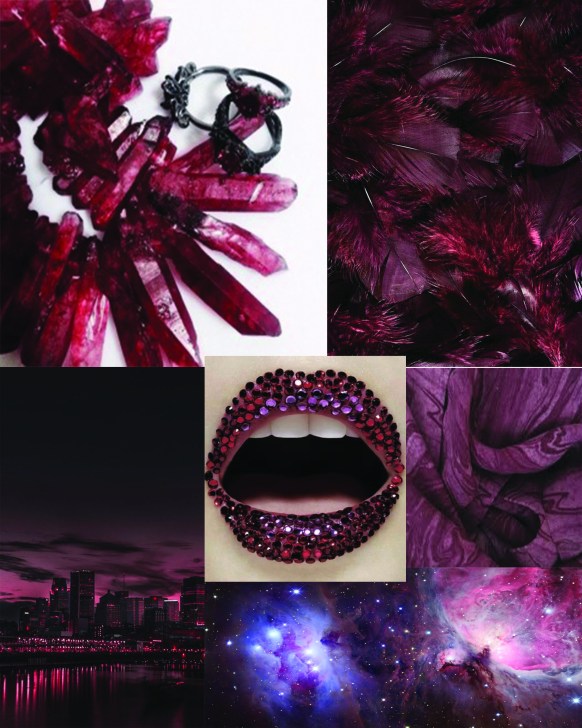
MOOD BOARD
COLOR BOARD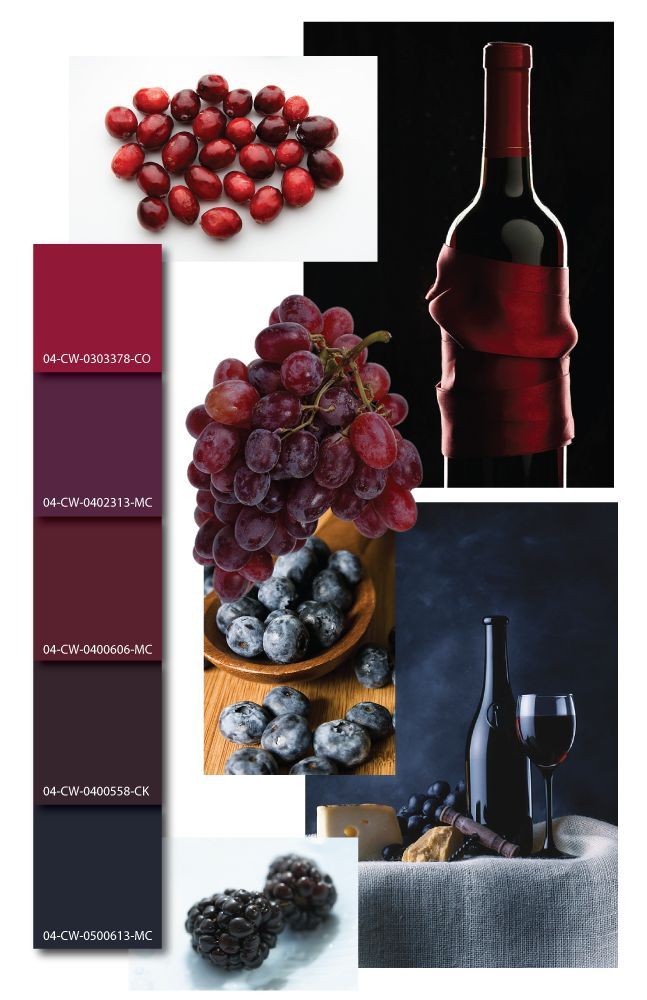
COLLECTION


FASHION BUSINESS PATH CYCLE
Research and idea generation
In the fashion business path, the very initial step to start with is the research and idea generation. For merchandiser to make sure to provide fresh fashion and keep up with the expectations of their clientele it is important for them to understand the upcoming trends, styles, colors, silhouettes and takes in a lot of research and for that they need to attend many runway and fashion trade shows. Then they reach at the final ideas, concepts and moods for the company to develop the collection for its customers.
Initial concept
Finally, after a lot of research merchandisers come to the final ideas, in terms of selection of the season, color palette, mood, theme, silhouettes for the collection, specifications(womenswear/menswear)
Range planning
The range to be developed is planned according to the image, style status, genre of the brand and the signature styles of the designers like for example if a range has to be developed by valentine, then be it for whatever season or mood it has to get red in it , he will play with his signature style that is color red ( its mandatory for him might not be for the collection or the customers). Everything reflects the brand value or image.
Range designs sign off
The process continues further with the selection of the final silhouettes, textures, styles and hence designs.
Once designs are finalised, sourcing gets started for the most suitable and nearest to idealistic fabrics, laces, threads, and other garment manufacturing materials are bought from the factories, manufacturing units, local, retail and wholesale stores.
Fabric and yarn development
In certain collections, often the fabrics and yarns are modified and developed according to the theme. These newly ideated fabric materials might not be available in the markets and stores and hence needed to be manufactured by the engineering team of the brand only. Certain technologies have been invented in recent years like laser cutting machines, 3D printers, heat setting chambers and many more, that are being used many known designers, one such big name who is amazingly using such technologies is, Iris Van Herpen.
In order to create new fabrics, existing ones are treated physically or chemically and also the surfaces of the existing fabrics are manipulated to develop new textured fabrics. And sometimes even the raw materials for the collection consists of a combination of fabrics with threads, ropes, wires or could be anything experimental solid materials as per design requirement.
Sample sign off
Once all the materials are finalised (fabrics, threads, buttons, sequin, laces, textures, folds, colors) standard sized samples are developed to check how its gonna apply to the whole garment, what will be the final look of the garment, how to play with that particular design in the whole garment, placement of the samples at right places of the silhouettes, etc. hence making the design clear cut along with the samples.
Manufacturing
After approval of the samples from the designers to be appropriate enough to be converted into the final garments, the design samples along with the color swatches, design sketches and technical drawings with proper specifications and details are send to the manufacturing units, where mass production takes place for the sales.
Shipment of the bulk production
Once garments are finally completed, they are labelled, pass through various checks ad finally packaged for transporting them across the globe via water, land, or air. Shipment involves going of the bulk through various taxation duties, fulfilment of certain formalities.
Distribution to the stores
Distribution to the stores is done in a certain hierarchical manner in tier1, tier 2, and tier3 cities. First the collection is revealed only at the designer outlets, flagship stores, crafts exhibitions in the high-end fashion streets where the target customer is high class society.
Visual merchandising
It plays a very vital role in terms of fashion marketing. It is the ideally planned procedure of showcasing products in both physical and digital retail stores and environments like museums, runway shows, photoshoots, magazines, social media, in order to attract, engage and sell to the fashion customers.
Merchandisers are the masterminds behind the intriguing window displays, in store displays in department stores, boutiques, etc. There are certain elements of visual merchandising which are kept in mind:
- The whole essence of the display is its color palette
- The products are arranged in certain arrays called landscaping
- The whole aura must convey a story/display a mood in order to communicate with the customers.
- In total the whole decor is given finishing touches.
Sales and customer experience
Sales and customer experience is the last stage of the fashion business path cycle. It is the most important stage, as it is now realised that what part of the customer population really admires the brand and its products. This stage evaluates the real brand value in the market, both in terms of financial turnover and good will among the customers.
For any brand its employees are the frontlines, they are the public face of the brand who directly deal with the customers. In order to make the sales graph rise and deliver good experience to the customers, there are certain tactics that are needed to be kept in mind. Employees who are informed, educated and well trained have greater confidence and job satisfaction. They know they are good at their jobs because they have been given the tools and knowledge needed to succeed, that satisfaction and confidence will be clear to the customers. Another thing, engagement is very important, it could turn apathetic, showing the basic concern, delivering a basic greeting and having a genuine desire to connect lets the customers know that they are helpful, interested people waiting to assist them. Well trained confident salesperson knows how to read customers and get them talking about their motivation to buy, being narrative that connects customers personally with the items they are interested in, this takes the price out of the equation. In order to increase sales and keep profits high, the salesperson need to create a shopping experience that sets the brand apart from the competition. When they do that, the product simply becomes a souvenir from that great experience and the customers will return for that experience again and again.

 fashionnovice